
The Board Meeting That Changed How I See Leadership
Comfort, status and fear: the three forces that quietly create the Domesticated Leader.
It wasn’t fists banging on the table.
No one was shouting across the boardroom.
But it was the moment I realised I had domesticated myself as a leader — even though I didn’t yet have the word for it.
And once you see that happening, you cannot unsee it.
It was the moment in a board meeting when I finally realised where the real power lay — and, more importantly, that I had quietly domesticated myself into compliance.
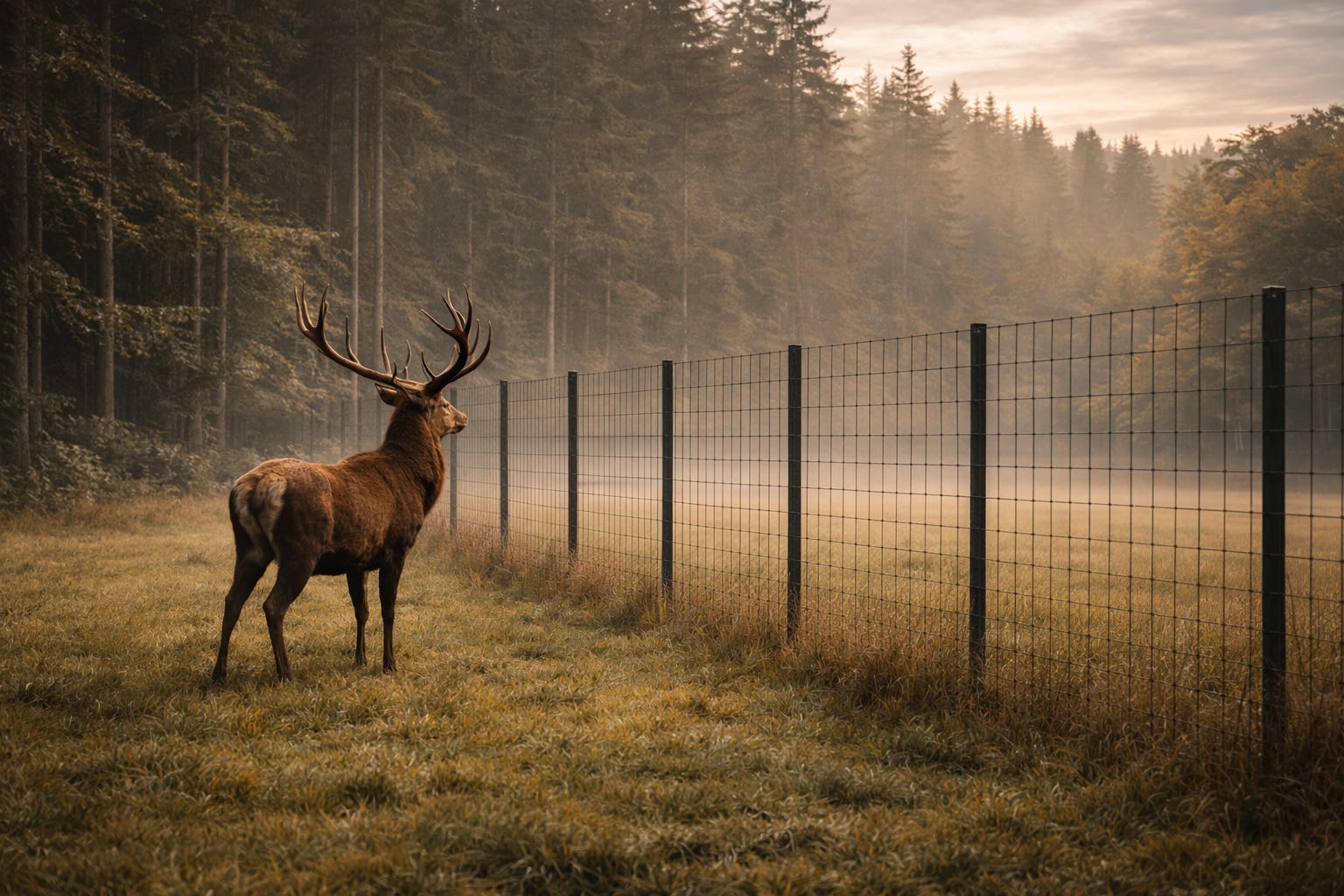
Only later did I understand something more unsettling: I had been living in a cage of my own making.
In that meeting I suggested that a strategic issue be discussed openly by the board. Not as a rebellion, simply as a question worth exploring. Different perspectives could be heard. A collective view might emerge.
But that was not how the moment unfolded.
The CEO shut the conversation down calmly, saying he would reflect on the issue and make a decision himself. The meeting moved on.
It was in that moment that something shifted for me. I realised that the power I believed I had — the power I believed the board had — did not exist in the way I thought it did.
And yet I stayed.
Only after I left the company did the deeper realisation arrive. I had not simply been working inside a system. I had adapted to it. Over time I had become easier for it to contain.
Most experienced leaders have had a moment like this.
A meeting where they discovered the boundary of acceptable thought. A moment where the system revealed itself more clearly than before.
Very few people walk out of the room when that happens.
Most of us do something much more human.
We adjust.
And that adjustment is where domestication begins.
Looking back, I can see that I had been tamed by three forces that quietly domesticate leaders.
Comfort — the security of a salary, the familiarity of the environment, the quiet confidence that you know how to operate in this world.
Status — the title, the respect, the subtle pleasure of being the “big dog” in the room.
Fear — the stories you tell yourself about what will happen if you leave. That you might become irrelevant. That the world outside might not value you in the same way.
These forces are powerful precisely because they feel rational.
No one needs to break a leader. The system simply rewards the behaviours that make leaders easier to manage. Over time something subtle happens. Judgement softens. Instinct is edited. The range of thought narrows.
The leader becomes domesticated.
The system does not need to break leaders. It only needs to reward the parts of them that are easiest to control.
Many leaders sense this happening long before they name it.
The real question is not whether the system is shaping you. It is whether you still recognise the moment when it begins to.
I write here about Wild Leadership — the discipline of remaining fully yourself in positions of power.
If this resonates, you might enjoy exploring some of the other ideas here. One of them is a simple metaphor that has become central to my thinking: organisations are not machines. They are forests — living systems that leaders have a responsibility not to control, but to steward.